The tea house
A kyo-machiya, a traditional Kyoto townhouse, for up to 23 guests. It adds the optional 30-minute shrine session. The tea house option is not wheelchair accessible.

Kyoto · Maiko and geiko
A maiko, an apprentice geisha, or a geiko dances close by, answers your questions and plays a traditional game with you.
Two short dances, then your questions, photographs and a traditional game with a maiko or geiko. Likely to sell out.
The show in four facts
Geisha and Kyoto
Wikipedia glosses geiko, the Kyoto name for a geisha, as woman of art. The maiko is the trainee: typically 15 to 20 years old, she studies dance, the shamisen and kouta, short songs, and in Kyoto picks up the local dialect too.
Wikipedia notes that most sightings of geisha and maiko in and around Kyoto are visitors who pay to be dressed as one for the day, a practice called henshin. Seeing a working maiko takes a booking.
Kyoto has five geisha districts, the gokagai, and Wikipedia says geisha generally do not work outside their own. Maiko spend their evenings at teahouses called ochaya, so a street encounter is luck at best and an intrusion at worst.
The organiser says performances are kept short on purpose, to preserve the art's exclusivity and grace, and that the maiko will not perform continuously for the hour. The rest of the time goes on questions, photographs and a game.
Six moments
The organiser describes two short dances, then time to talk, photograph and play. Start times sit in the booking calendar and are repeated in your confirmation.
Wear socks or bring a pair. Guests without them buy socks at the venue to get in, and bare feet are not allowed. Give a phone number that works in Japan and on WhatsApp when you book.
The maiko or geiko opens with a traditional dance. The organiser puts each of the two dances at about five minutes, which it calls the usual length of most maiko performances.
A second dance of about five minutes follows, so the dancing in all comes to roughly ten minutes. That is the whole of the stage performance, as the organiser describes it.
A guide who speaks English and Japanese interprets while you ask the maiko or geiko about her life and training. Reviewers single out the clear translations and the friendly staff.
You are welcome to take pictures and videos, and you get the chance to play a traditional Japanese game with her. Reviewers describe the game as fun and hands-on.
The tea house option adds a 30-minute session at Kitano Tenmangū shrine with a maiko. It is not part of the Gion Theater option.
The performer is a maiko or a geiko depending on the day, and the order of questions, photographs and the game can vary.
Two rooms and one ticket
What to settle before you choose a date.
A kyo-machiya, a traditional Kyoto townhouse, for up to 23 guests. It adds the optional 30-minute shrine session. The tea house option is not wheelchair accessible.
A showhouse for up to 40 guests, without the shrine session. This option is wheelchair accessible. The organiser asks you to look at the pictures of both rooms before booking.
Around the show
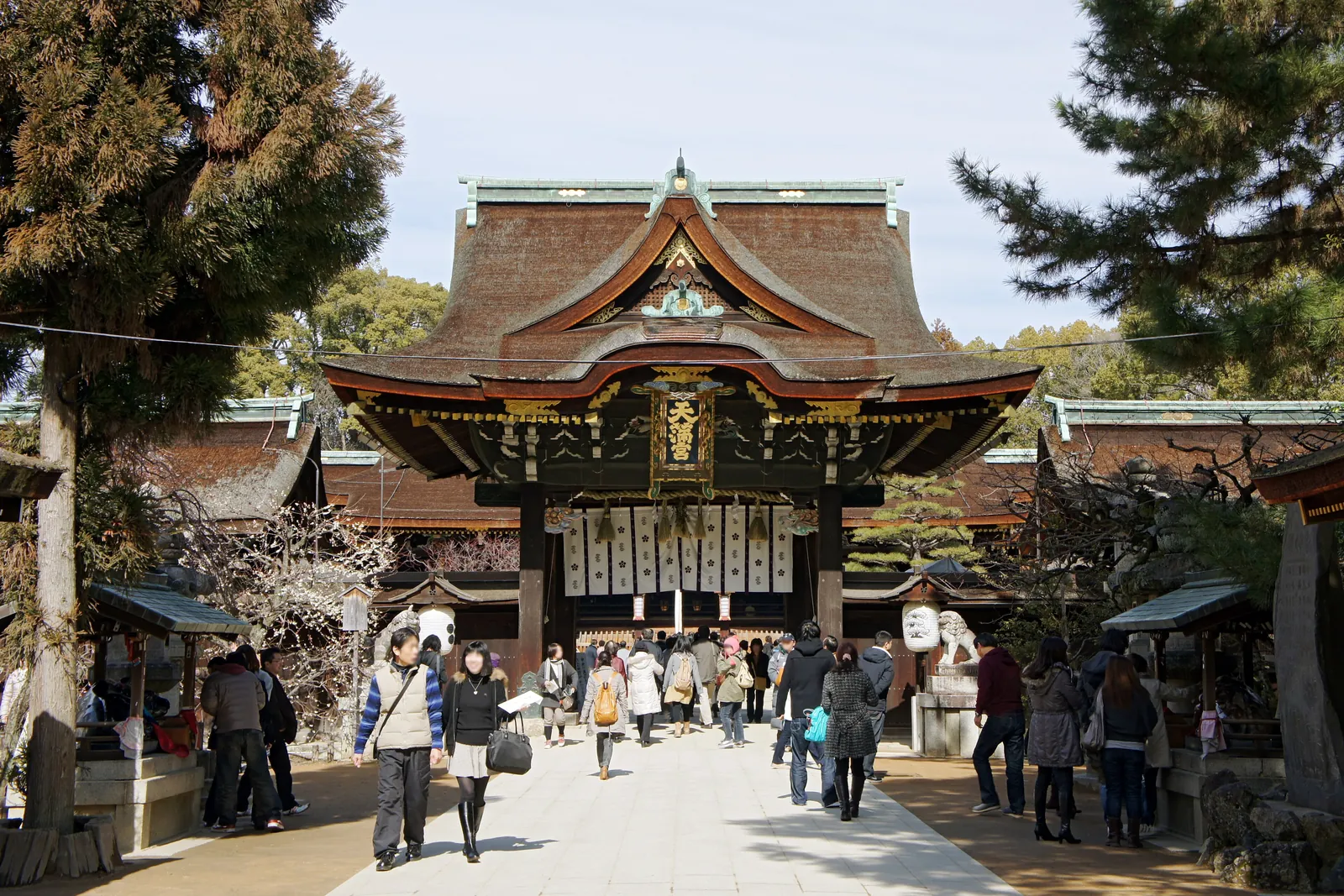
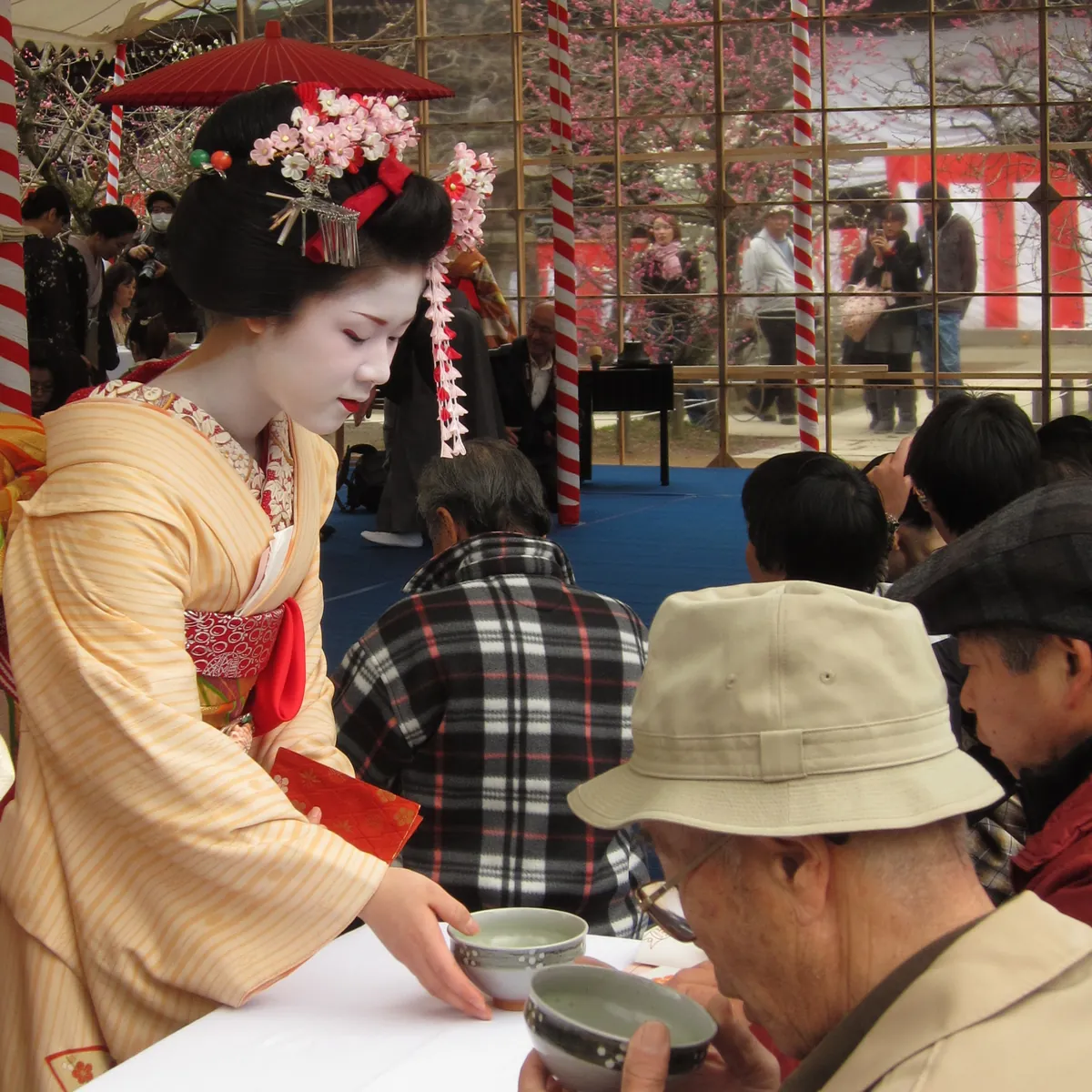
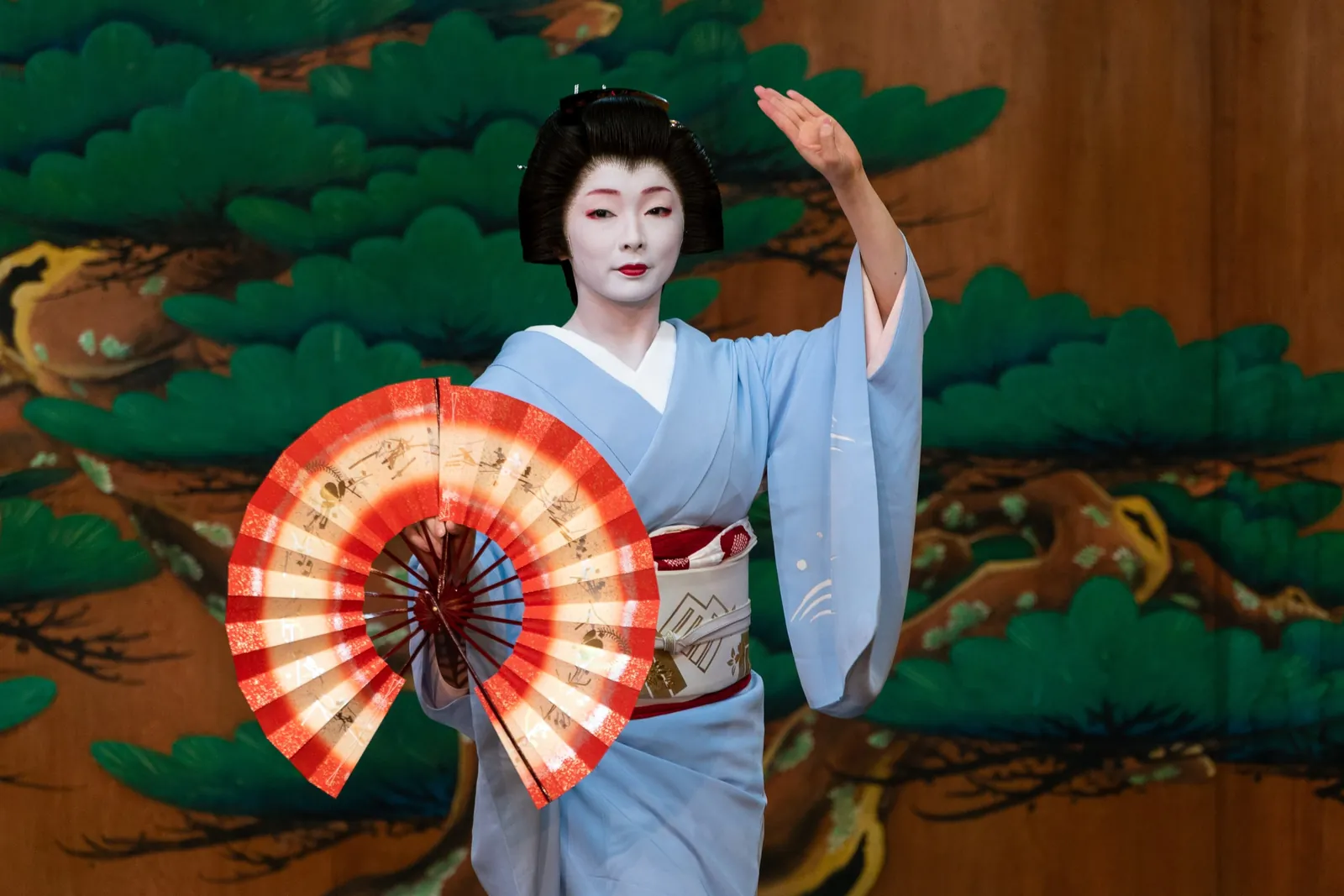
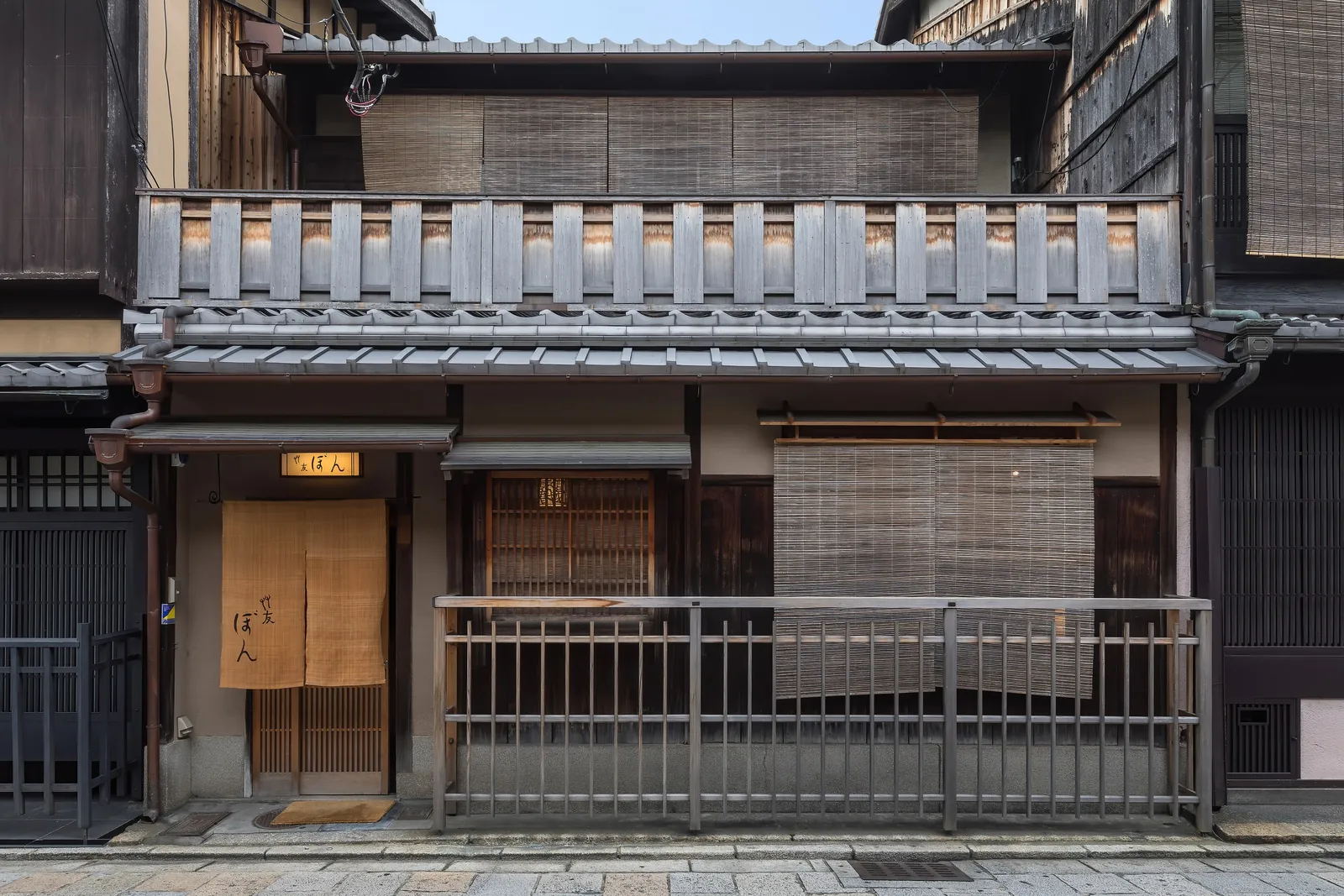
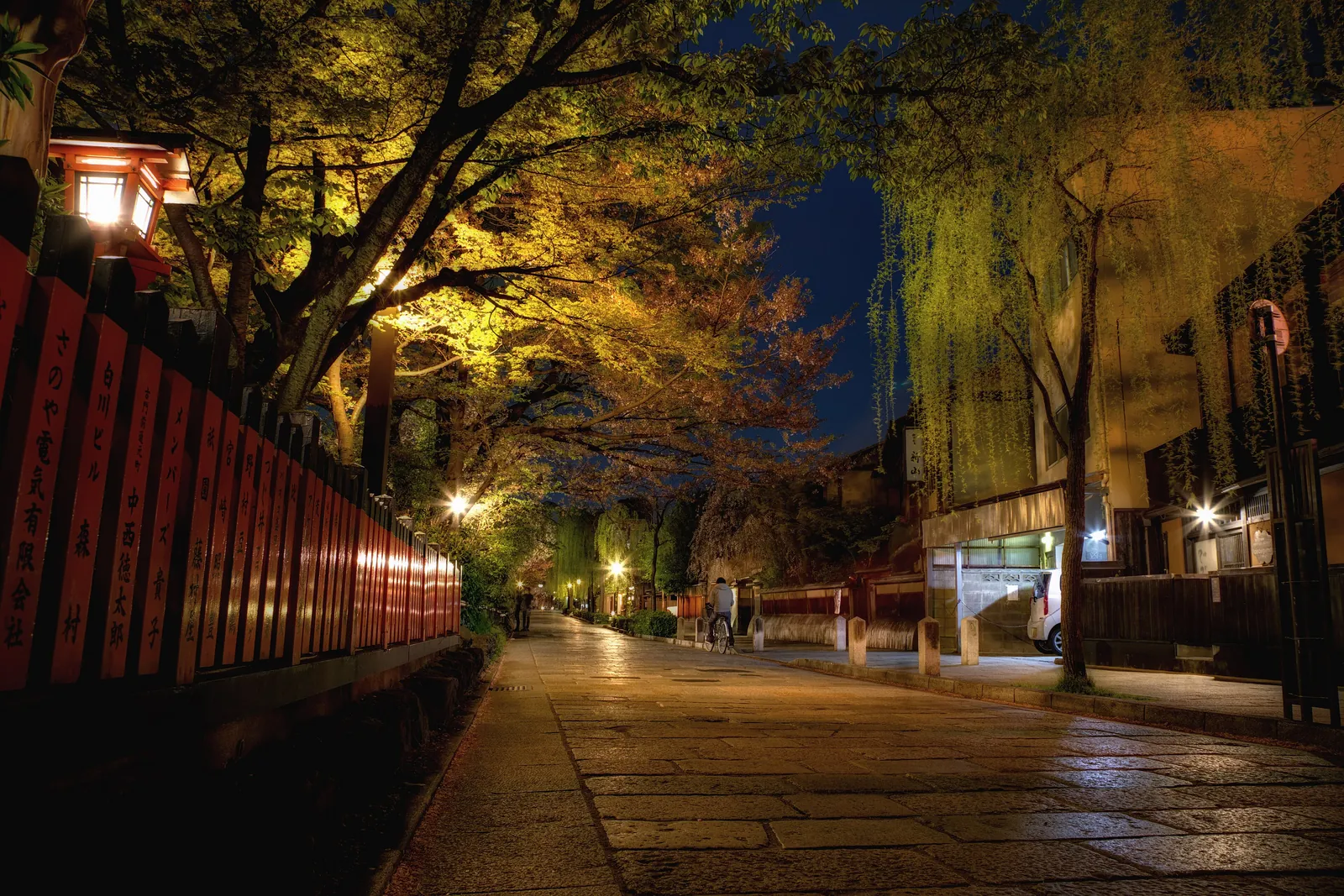
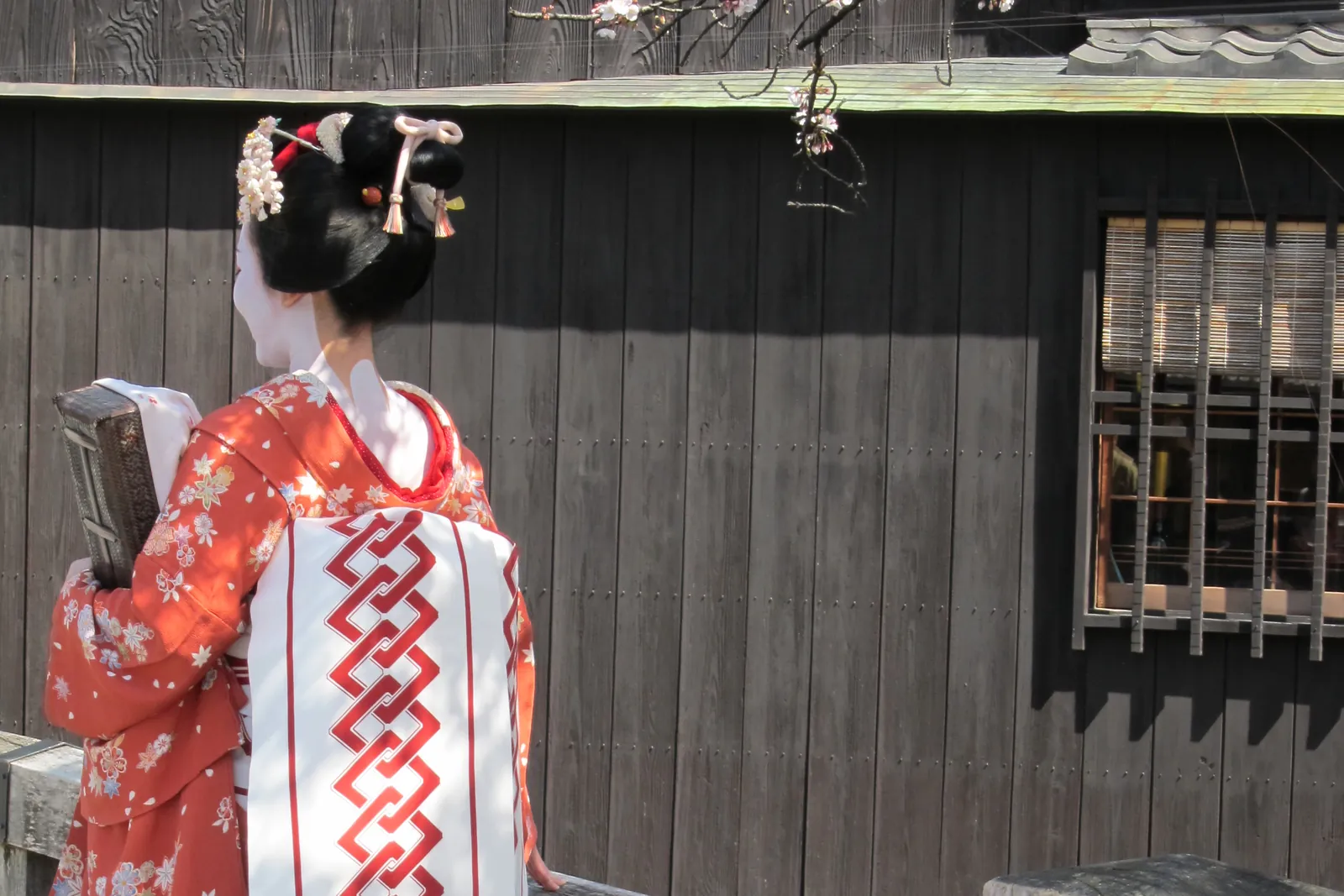
The gate of Kitano Tenmangū in plum season, a maiko serving tea at its plum festival, a geiko dancing with two fans, a wooden townhouse facade on Shinbashi-dōri, a lantern-lit lane in Gion and a visitor dressed as a maiko. None is a photograph of this show or its rooms.
Three ways to watch a maiko dance
| Ticket | What you get | Who it suits |
|---|---|---|
| One-hour show with Q&A | This page's ticket: two dances of about five minutes each, then questions, photographs and a traditional game, in a tea house or a Gion theatre. | Anyone who wants to talk with a maiko as well as watch her |
| 45-minute meet and greet | The second card: two dances of eight to ten minutes in all, an interview with the maiko and ten to fifteen minutes of photographs. | Visitors who want a shorter evening |
| 15-minute museum dance | The third card: a Kyomai dance by a maiko or geiko at a museum in Gion, with its exhibition. The ticket is non-refundable. | Travellers who want the dance and little else |
Choose your hour
Card one is the one-hour show this page describes, while cards two and three offer shorter routes to the same sight: a 45-minute meet and greet, and a 15-minute museum dance.
Two dances of about five minutes each, then questions, photographs and a traditional game, in a tea house or a Gion theatre.
Two dances of eight to ten minutes in all, an interview with the maiko and ten to fifteen minutes of photographs.
A Kyomai dance by a maiko or geiko at a museum in Gion, with the museum's exhibition. This ticket is non-refundable.
Elsewhere in Kyoto
Practicalities
The tea house has the shrine session and a smaller room. The Gion Theater holds more guests and is wheelchair accessible. The two options are different tours, so read the description for the one you choose.
Where you meet varies by option, and the booking page names the spot. One reviewer found the venue a bit hard to reach and advises allowing plenty of time.
Socks are required. Bring a pair, or buy one at the venue if you arrive without.
Enter a number that works in Japan and on WhatsApp so the organiser can reach you before the show. Travel agents should enter the guest's number, not the agency's.
Leave the pram at your hotel: the ticket rules out baby strollers, and it rules out alcohol and drugs too.
If your plans shift, cancel a day before through GetYourGuide and the full fare returns. You can also keep a date on hold and pay the fare later.
Go deeper on maiko and geiko
FAQ
The organiser says the performer is a maiko or a geiko, depending on the day. A maiko is an apprentice geisha and a geiko has finished that apprenticeship, so the ticket promises one or the other.
No. The organiser says the maiko will not perform continuously. Expect two dances of about five minutes each, then questions, photographs and a traditional game.
The tea house is a kyo-machiya for up to 23 guests and adds a 30-minute shrine session. The Gion Theater is a showhouse for up to 40 guests and is wheelchair accessible.
Yes. Wear socks or bring a pair. Guests without socks must buy a pair at the venue to go in, and bare feet are not allowed.
Yes. Taking pictures and videos is welcome during the show. Out in Gion's streets, ask before photographing a maiko or geiko.
Not really. The organiser notes a maximum of 23 guests in the tea house and 40 in the Gion Theater, and says this is not a small-group show.
The Gion Theater option is. The tea house option is not.
Yes. Cancel a day ahead through GetYourGuide for the full fare back, or reserve a date now and pay afterwards.
Pick a date and you will see the fare in your currency.